in collaboration with Jojo Gronostay
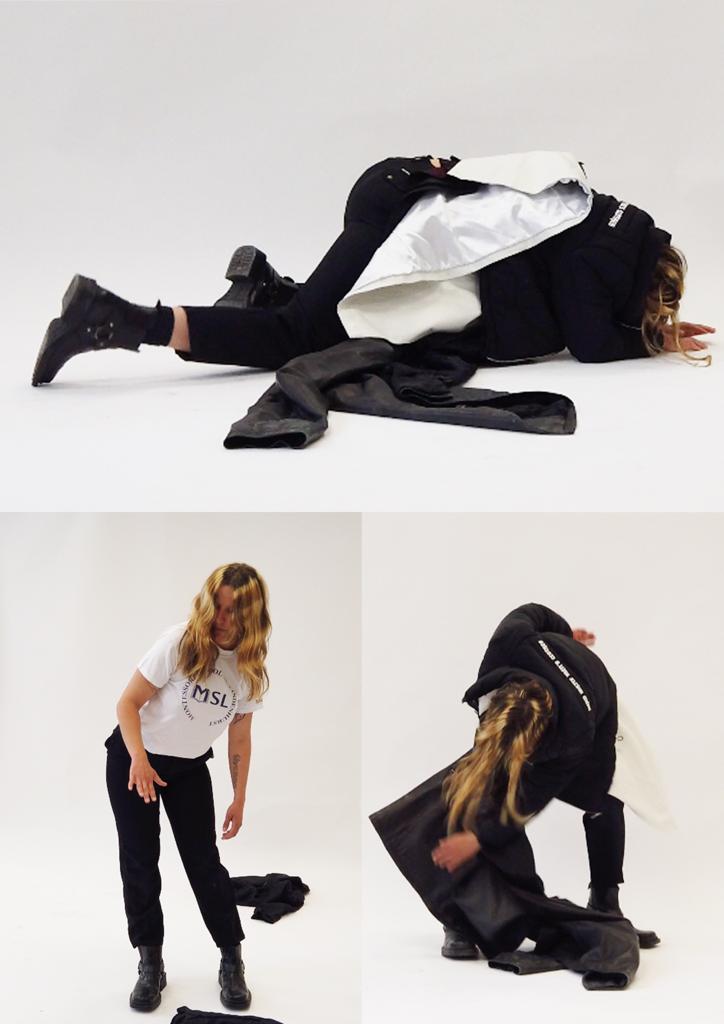

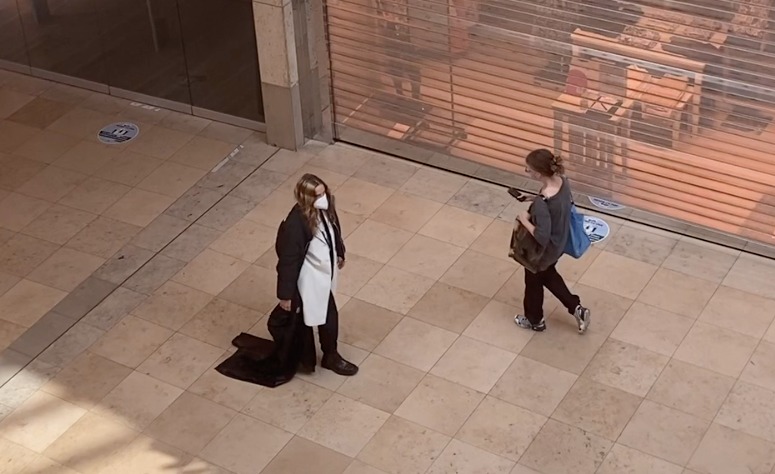
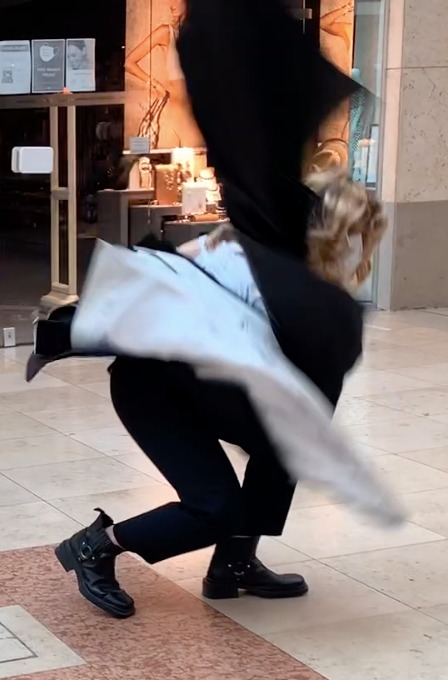
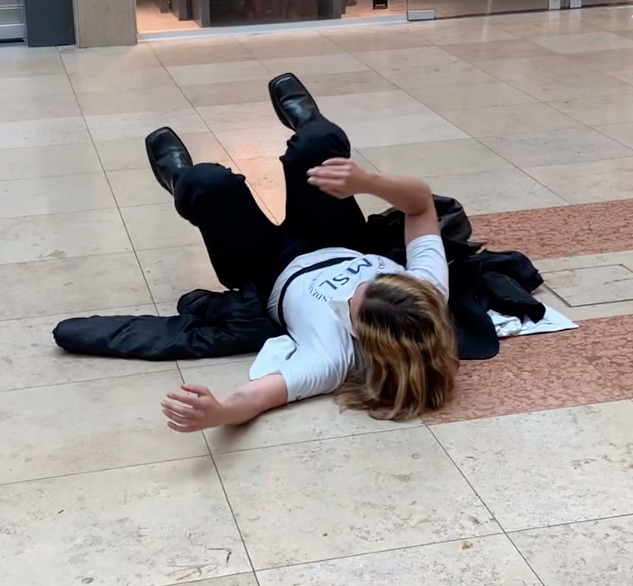

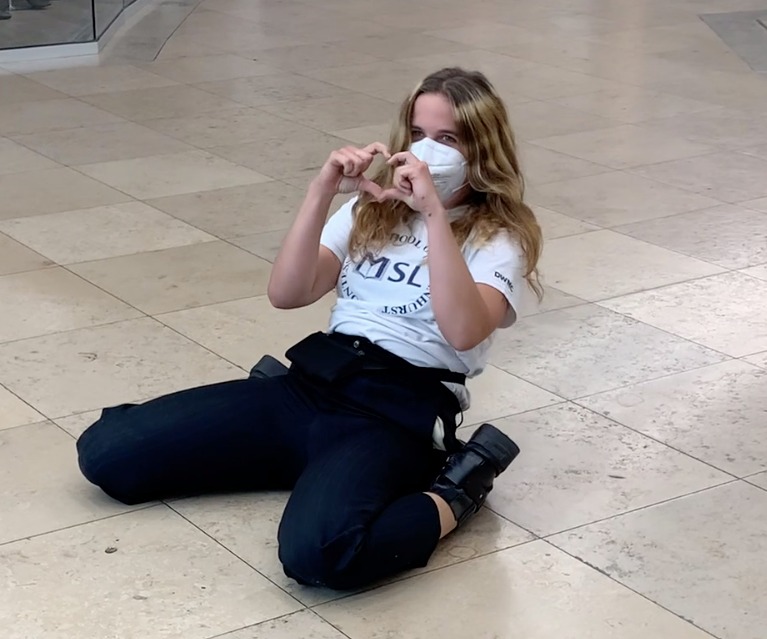

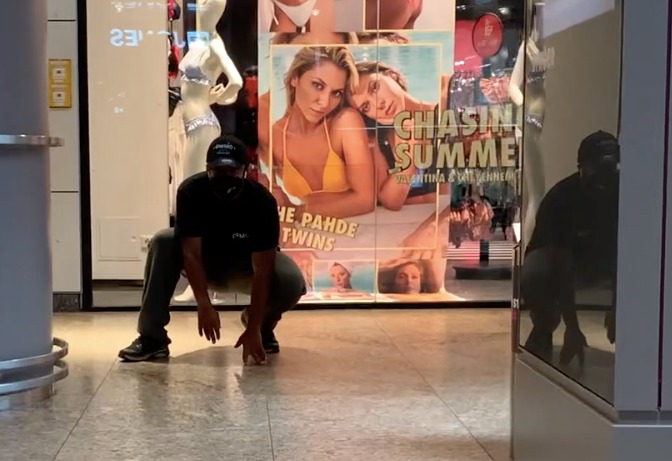
The mall, a hyper neoliberal space and a place of leisure activity for teenagers, generates both desire and disgust. Escalators, white handrails, daylight and artificial light, marble floors and plants. Although malls appear public and democratic, the potential for segregation is implicit in their private character. The design of malls is similar around the globe, only its consumers are different. After watching Britta Thie’s work “Powerbanks”, Jojo and Sunny both felt that they have been at this particular mall already. During the pandemic malls are still open, but the shops are closed, the food courts blocked by barrier tape. They become an empty space, where consumerism lost its consumers. The mall is one of the spaces where you actively feel the pandemic, though governments have done all in their power to keep the ship of capitalism afloat.
The work engages systems that interrogate relationships between Europe and Africa, exploring concepts of value and economy, as well as spiritual, human and material exchange, as they perform in different social contexts. The origin of the label’s name lies in the Ghanaian term “Obroni Wawu” which can be translated to “DEAD WHITE MEN’S CLOTHES”. When first waves of second-hand clothes arrived from “the west“ in the 70’s, the locals could not believe that such high-quality clothing could just be given away for free, so they assumed that the previous owner must have died.
special thanks to Miriam Kongstand and Beatrix Curran
kindly supported by Art Cube Artist Studios and ACF